Story
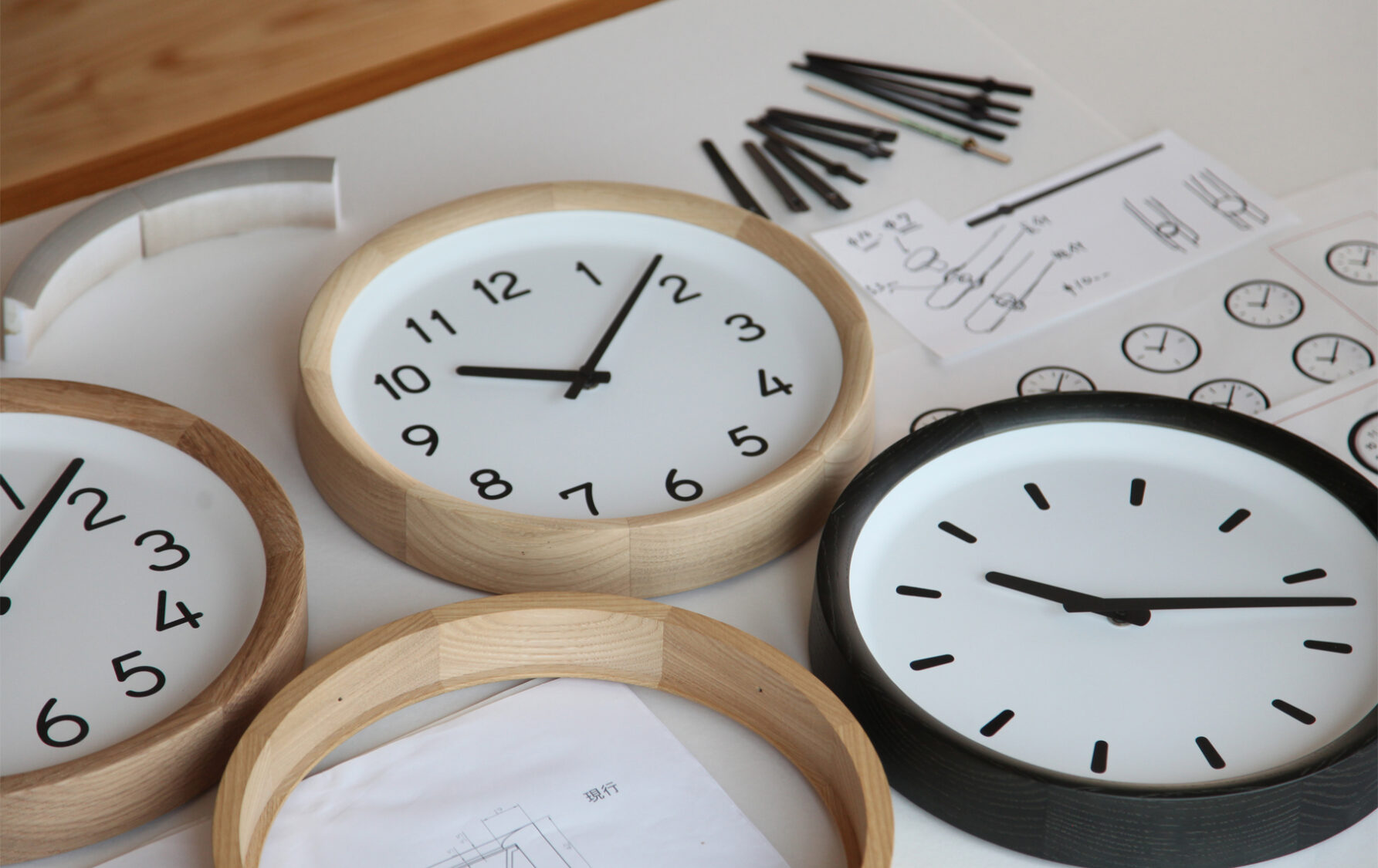
Story Vol.21
The “basin” Development Story by PINTO
The “basin” series, designed by us at PINTO, was released in February 2023. In this article, we’d like to share its story, including its connection to the 「Day To Day Clock」 from 10 years ago, the path that led to its creation, and the thoughts behind its design.
[ Text: PINTO ]
A Clock Inspired by a Bowl Design
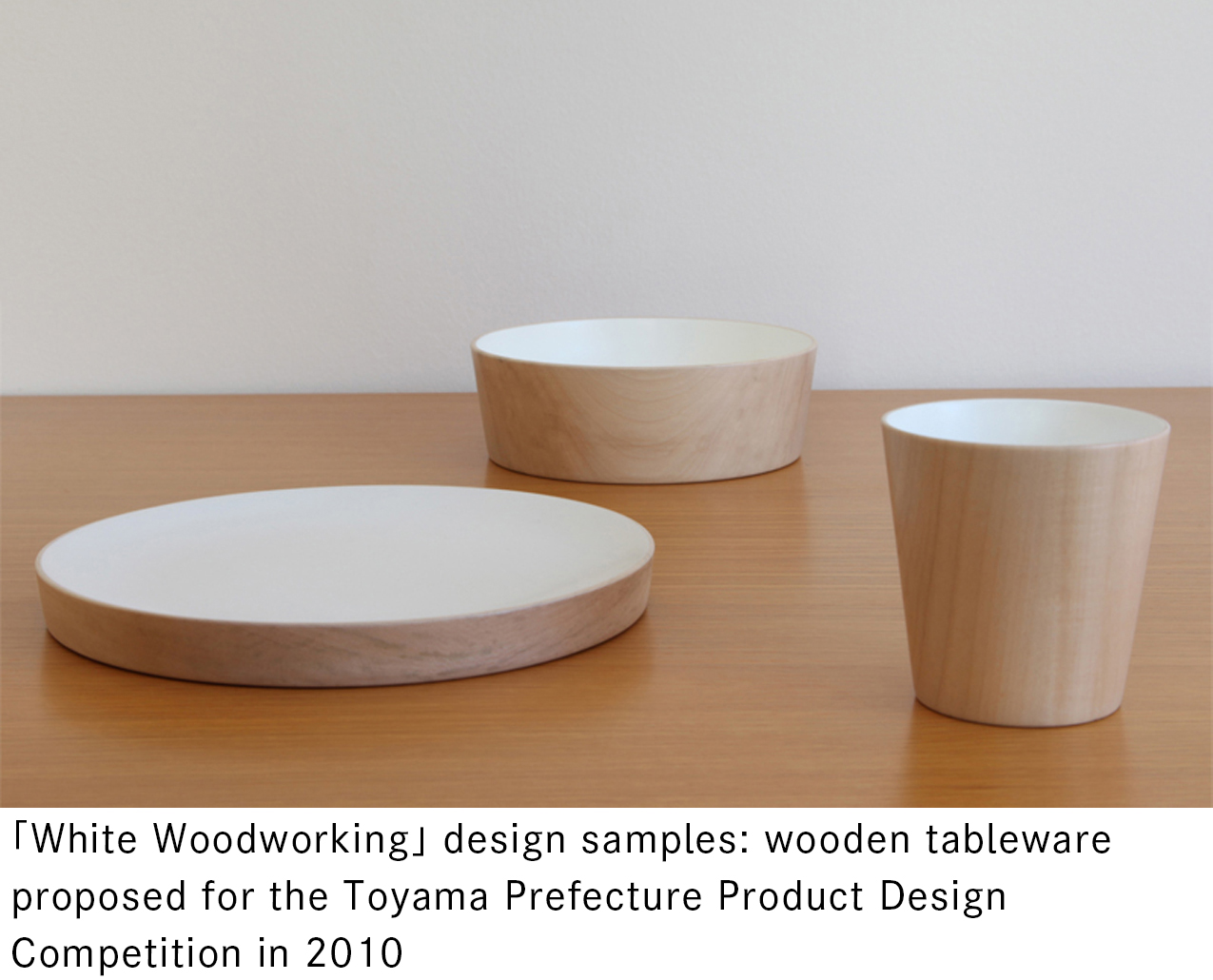
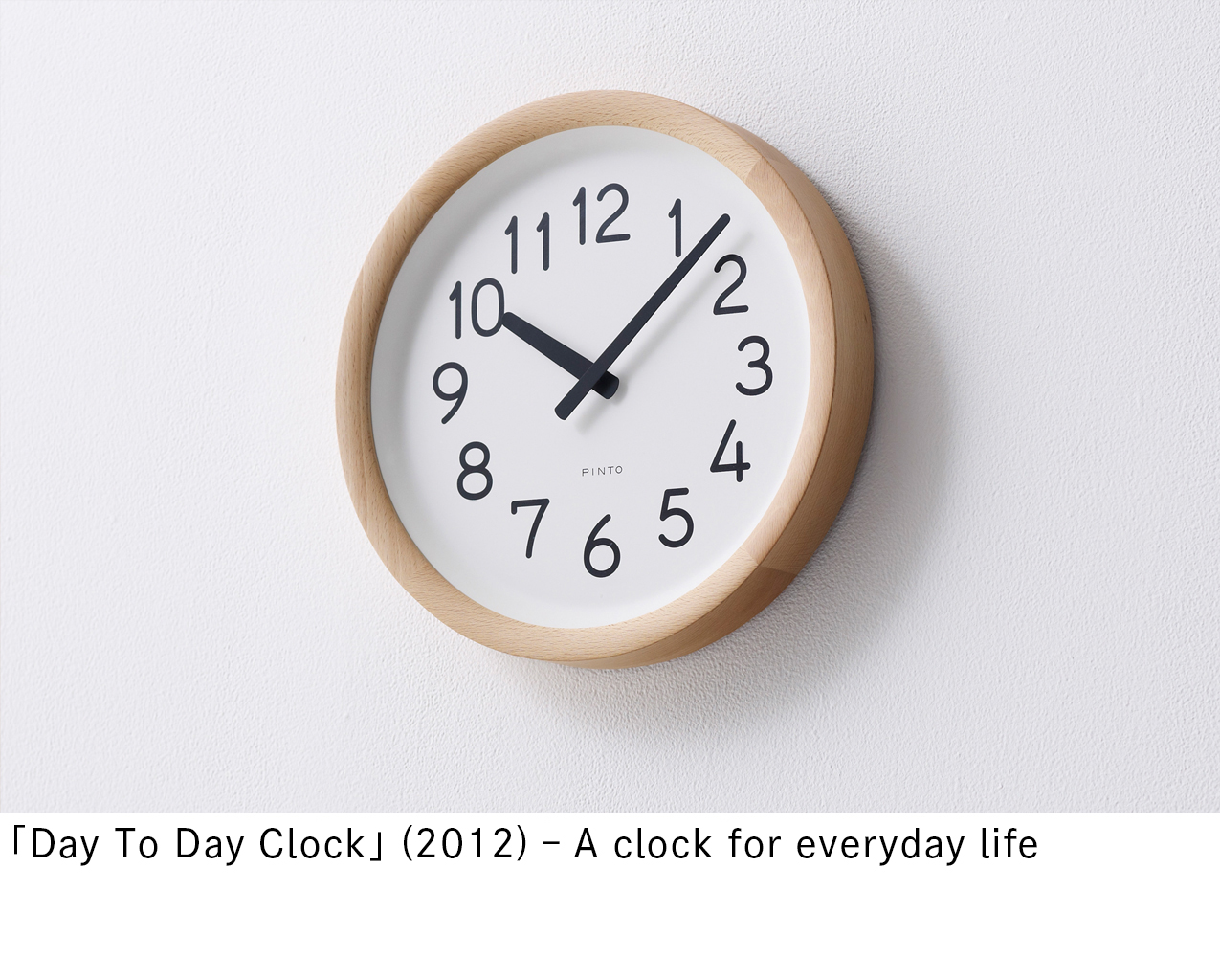
In 2010, Hiroshi Takata, then president of Takata Lemnos, saw our wooden tableware prototypes, White Woodworking, and asked us to design a wall clock inspired by it. That request led to the design of the 「Day To Day Clock」, the predecessor to the basin series.
For this renewal, we returned to White Woodworking to reconsider the meaning behind the president’s original request for us to design a clock. With that in mind, we reimagined the design as “basin,” meaning a shallow bowl.
A Revised Design That Redefines the Wall Clock for Everyday Living
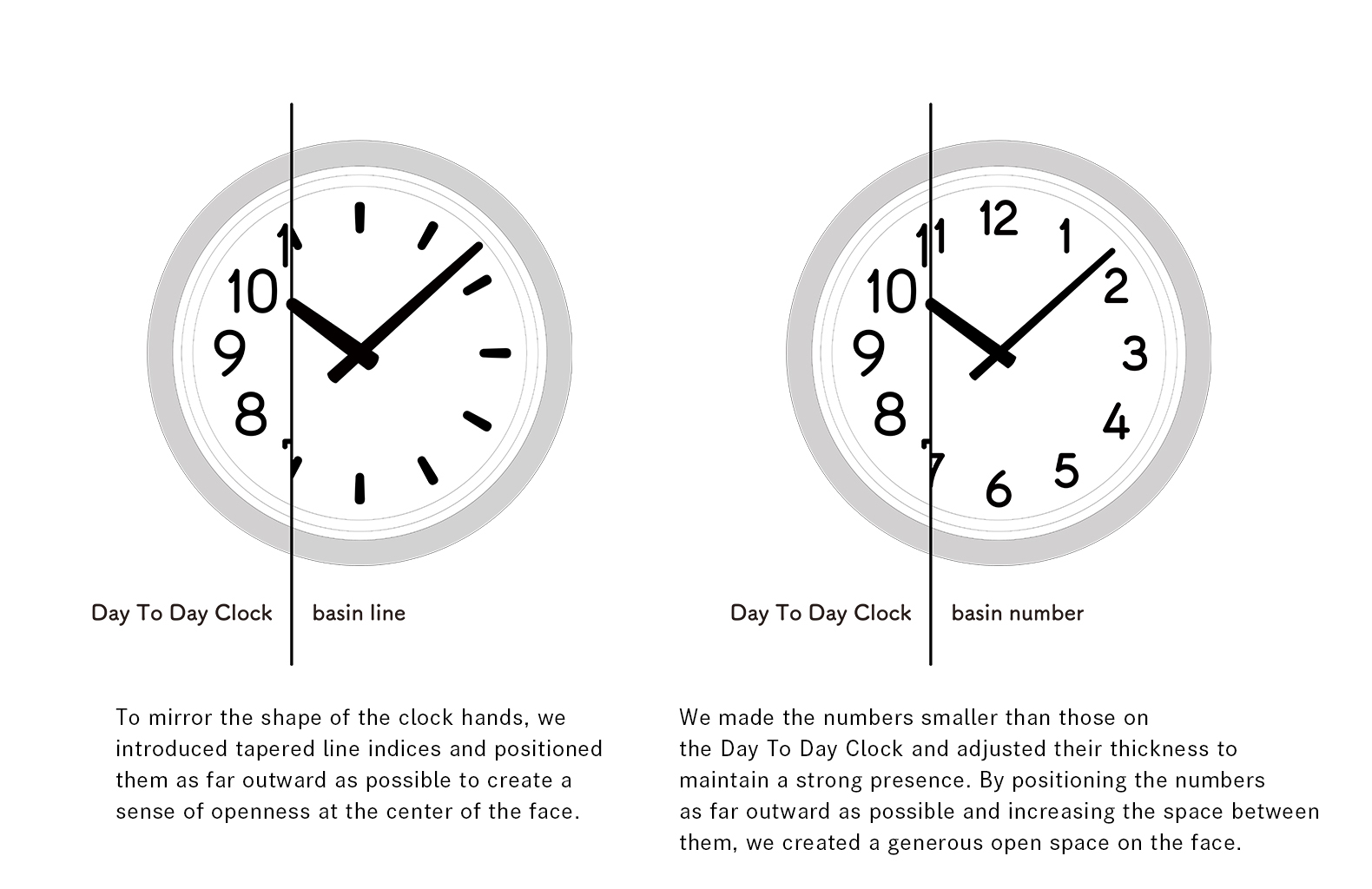
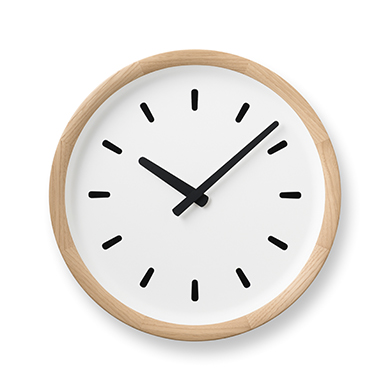
The design exploration for the basin series began with the idea of introducing a line-index face that would also fit beautifully in spaces such as a home office.
While line-index clocks often convey a cool impression, the basin series was designed to be clean yet gentle and perfectly suited for home use. This approach resulted in short, tapered indices arranged along the outer rim of the face.
While exploring the line-index design, we discovered that leaving more open space at the center of the face made it easier to read the angles of the clock hands, which we hadn’t paid much attention to before. This insight into enhancing the clock’s legibility led us to redesign the numerical indices in line with the same approach.
With the new face design and a slimmed-down wooden frame, we aimed to enhance the clock’s aesthetic appeal and usability. The bowl-like shape of the face highlights its charm, while making the angles of the clock hands easier to read.
Since we designed the Day To Day Clock 10 years ago, the growth of online connectivity has meant that people spend more time at home, and the ways in which they do so have become increasingly diverse.
With the basin series, we aimed to create a clock that fits seamlessly into modern lifestyles by combining a comforting presence with clear legibility.
Redesigning the Rim to Highlight Its Bowl-Like Form
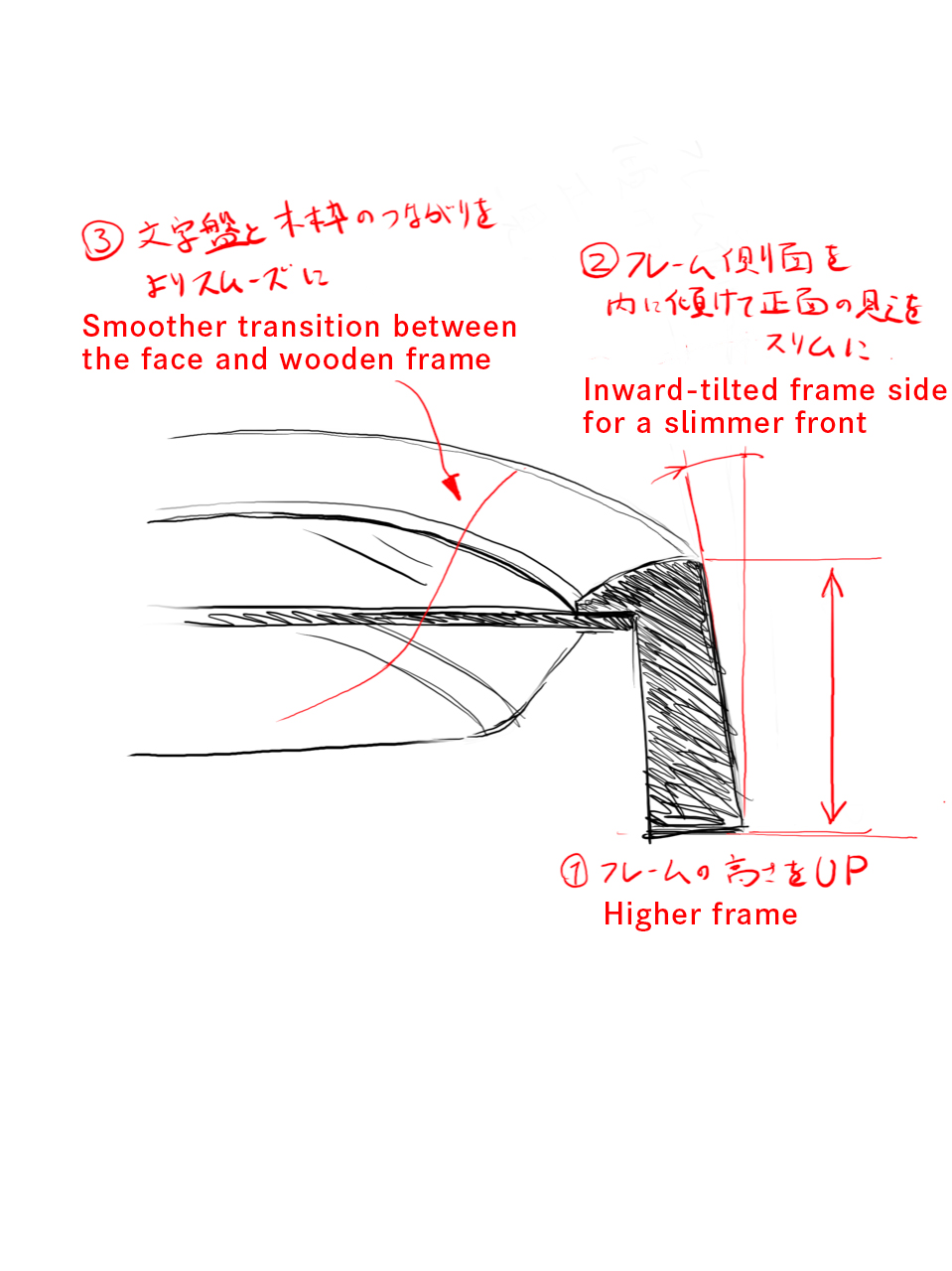
In contrast to standard wall clocks, the basin face takes the form of a bowl. It features a continuous mortar-shaped outer rim, which gives the design a sense of openness and space.
While the previous model’s wooden frame also emphasized continuity with its bowl-shaped face and simplicity, we added a more defined structure to the basin series. This enabled us to redesign the frame to be slimmer and more expressive, all while adhering to manufacturing constraints.
We believe that by revising the shape of the wooden frame, the rim of the bowl-like face gained a sharper definition, which successfully highlighted the open space at the center.
Original Numeral Typeface: Familiar Yet Original

For the “basin number,” we carried over the original numeral typeface that we had created for its predecessor, the Day To Day Clock.
To create the typeface, we drew inspiration from a rounded gothic font commonly seen in everyday life (e.g., on road signs and household appliances). We chose this style for its unpretentious character and the way it blends naturally into daily living.
Although it’s a font that’s been used so often that it risks feeling commonplace or nostalgic, we found familiarity to be the key to creating a sense of warmth and attachment.
While staying true to the rounded gothic style, we refined each detail by addressing the subtle inconsistencies we found in the existing font, and then we created a foundation for our own. The result is an original numeral design that feels familiar yet refined, while offering a quiet sense of surprise that gently exceeds expectations.
Creating Objects Designed to Be Used Comfortably for Years to Come
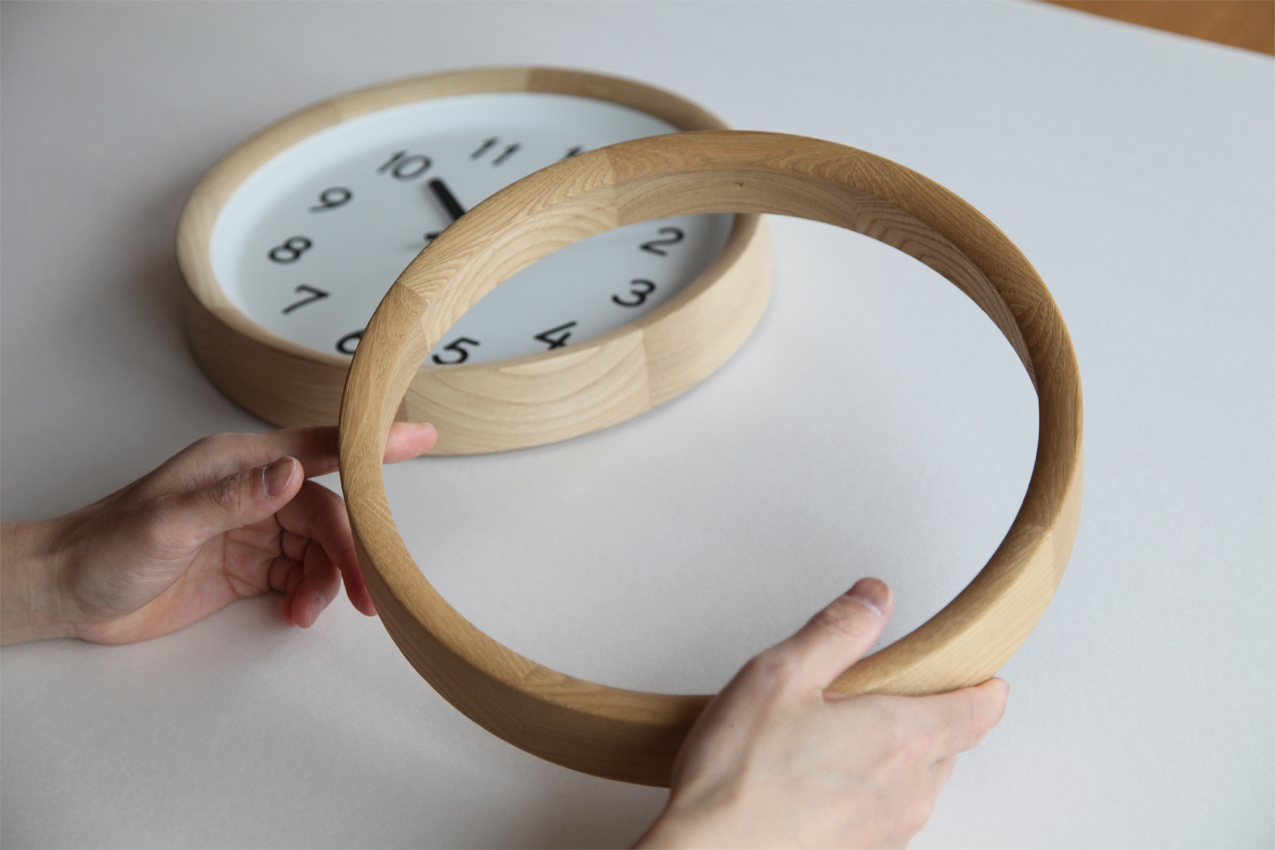
Thanks to their simple mechanism, wall clocks are durable and designed to be used for a long time.
That’s why we believe that if their design remains timeless and free from fleeting trends, they can be cherished and used for years to come.
For the basin series, we pursued a simplicity that people can grow attached to over time. Instead of a dry, minimal design, we created a simplicity that feels comforting and dependable, which is only possible thanks to its bowl-like form and solid wood construction.
We carefully considered the choice of wood and the manufacturing process, and for the first time in a Lemnos clock, we used domestically sourced chestnut for the wooden frame as part of an effort to support local production and consumption. This small step will help expand the use of domestic wood, while reducing the environmental impact of imported materials and transportation.
In line with Lemnos’ decades-long design philosophy, we carefully considered every stage of the creation process, including the craftsmanship background, before finalizing the basin design.
This design is the result of careful thought and refinement, and we hope that it will be enjoyed and used for many years to come.
PINTO
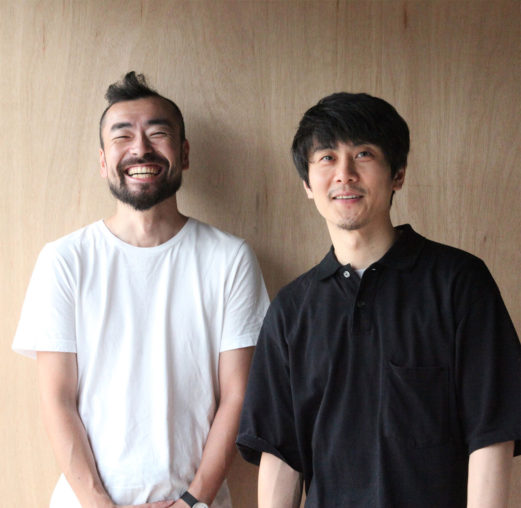
Takanori Hikima (1983-) and Masayoshi Suzuki (1982-) have been designing products as a twosome since 2008. PINTO is a design unit led by the two designers, who are active across different genres to, for example, design museum appliances, publish in collaboration with a photographer, and organize an exhibition at the same time as serving as an in-house designer at a home appliance maker and an office furniture manufacturer respectively. They both graduated in 2006 from the industrial design course at Nihon University, College of Art. Hikima studied under Sam Hecht during his short-term overseas exchange program and graduated from Kyoto University of Art and Design, Department of Architecture. Suzuki studied under Thomas Aronson during a study period abroad in 2014. His activities are currently based in Tokyo. Their award history includes the iF design award, Red Dot Design Award, GOOD DESIGN AWARD, and Tokyo TDC award.
http://www.pinto-design.jp/